
Porter Bottle Company | Packaging Guides
Choosing the right plastic jars with lids is about more than finding containers that look good on a shelf. The material, capacity, opening size, and closure all affect how your products are packaged, stored, shipped, and used.
Whether you’re packaging spices, seasonings, cosmetics, powders, or specialty products, selecting the right jar and lid combination can make a significant difference.
At Porter Bottle Company, we’ve helped businesses find practical packaging solutions since 1936. Here’s what to consider before purchasing plastic jars and lids.
In This Packaging Guide
Plastic Jars with Lids: PET vs. HDPE Materials
When shopping for plastic jars with lids, two popular packaging materials are PET (polyethylene terephthalate) and HDPE (high-density polyethylene). Each offers different advantages depending on your product and packaging requirements.
PET Plastic Jars
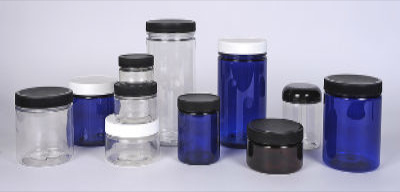
Clear, lightweight, and attractive. PET plastic jars with lids are an excellent choice when product visibility is important.
Common applications include:
- Spices and seasoning blends
- Dry food products
- Bath salts and specialty cosmetics
- Craft supplies and accessories
- Products where appearance matters
PET jars are lightweight and impact-resistant, making them an alternative to glass in many applications.

HDPE Plastic Jars
Durable and versatile. HDPE jars are commonly selected when toughness and product protection are priorities.
Common applications include:
- Powders and dry ingredients
- Personal care products
- Industrial supplies
- Compatible specialty chemicals
- Products requiring sturdy packaging
HDPE offers good impact resistance and is commonly available in natural and white finishes.
Porter’s Packaging Tip:
The best plastic depends on the product inside. Always verify material compatibility, especially for oils, solvents, or potentially reactive ingredients.
Understanding Plastic Jar Sizes and Shapes
Plastic jars with lids come in many capacities and shapes, but the right size depends on more than the quantity of product you want to package.
A small jar may be suitable for samples, while a larger wide-mouth jar may be better for products that customers scoop or dispense by hand.
When choosing a jar, consider:
- Capacity: How much product must the jar hold?
- Opening size: Will customers pour, shake, scoop, or spoon out the contents?
- Labeling area: Is there enough room for your branding and required information?
- Shelf space: Will the jar fit efficiently into displays and shipping cartons?
- Product density: How does your product’s weight relate to the jar’s volume?
Important:
Fluid ounces and ounces by weight are not interchangeable. A jar’s nominal capacity doesn’t automatically tell you how many ounces of powder, spice, or another product it will hold.
We recommend testing your product in a sample container before committing to a large packaging order.
Choosing the Right Lid for Your Plastic Jar
When purchasing plastic jars with lids, it’s important to consider the container and closure as a complete packaging system. The right lid helps ensure your product can be stored, shipped, and dispensed as intended.
Different products require different closure designs, liners, and dispensing methods.
Screw-On Caps
Threaded screw-on caps are popular for straight-sided plastic jars. Depending on the application, they may be available with different liner materials or without liners.
The correct liner can help achieve the intended seal, but not every cap-and-jar combination is automatically airtight or leakproof.
Spice Shaker and Flapper Caps
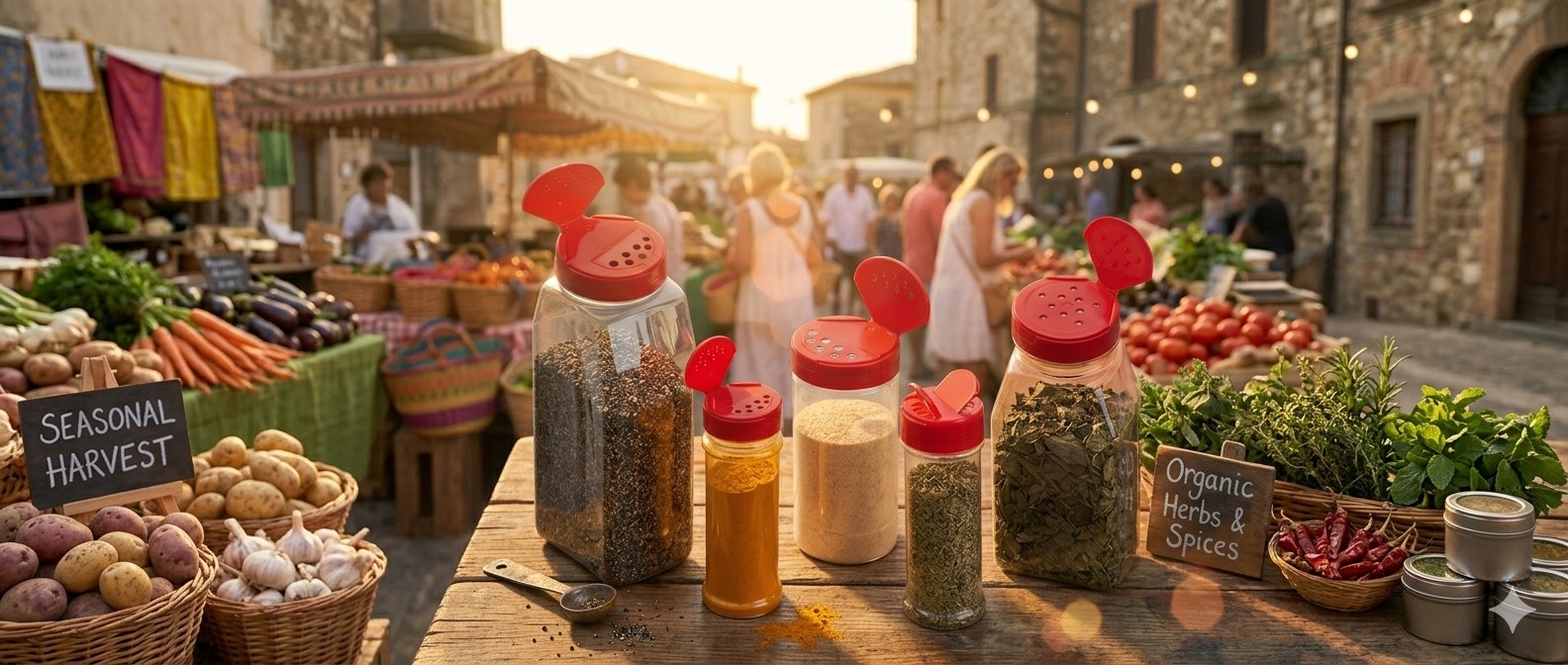
For spices, herbs, seasonings, and dry rubs, shaker and flapper caps provide convenient dispensing.
These closures may feature shaker holes, spoon openings, or a combination of dispensing options.
Lined and Unlined Caps
Some products benefit from lined closures, while others may use unlined caps.
Liner selection depends on:
- Product composition
- Moisture sensitivity
- Intended shelf life
- Shipping and handling conditions
- Sealing and tamper-evidence requirements
Pressure-sensitive, foam, and induction-seal liners perform different functions. If you’re unsure which closure is appropriate, ask before ordering.
What Do Numbers Like 38-400 and 89-400 Mean?
One of the most important details when buying jars and lids is understanding the neck finish.
Generally, the first number indicates the nominal neck diameter in millimeters, while the second identifies the thread-finish style.
| Neck Finish | What It Means |
|---|---|
| 38-400 | 38 mm nominal diameter with a 400-series thread finish |
| 70-400 | 70 mm nominal diameter with a 400-series thread finish |
| 89-400 | 89 mm nominal diameter with a 400-series thread finish |
Porter’s Packaging Tip:
Matching the diameter alone isn’t enough. A 38-400 cap is not automatically interchangeable with a 38-485 cap. Thread finish, sealing surface, and closure design must also be compatible.
Even when the listed finishes match, test the actual jar-and-cap combination before production.
Which Plastic Jars Work Best for Spices and Seasonings?
Spice packaging is one of the most common applications for clear PET jars.
The right container can make a small business’s product look professional while allowing customers to see the seasoning inside.
For small samples or specialty spice blends, a compact jar may be appropriate. Larger containers can be more practical for dry rubs, herbs, or bulk seasonings.
Porter Bottle Company offers several plastic spice jar sizes, including 5.5 oz, 7 oz, 12.5 oz, 16 oz, and 32 oz options.
When selecting plastic jars with lids for seasonings, consider the particle size of your product. Fine powders, coarse seasonings, and whole herbs may require different shaker openings.
Can Plastic Jars with Lids Be Used for Food Products?
Many plastic jars are designed for food packaging, but not every plastic container is suitable for every food product.
Food-contact suitability depends on the specific material, additives, manufacturing conditions, and intended use.
Temperature is particularly important. A jar suitable for dry, room-temperature filling may not be appropriate for hot filling, microwaving, or other elevated-temperature applications.
Before ordering:
Verify that both the container and closure meet your product’s requirements. Request applicable manufacturer documentation for commercial food packaging when needed.
Buying Plastic Jars in Small Quantities or Wholesale Cases
Whether you’re purchasing a few plastic jars with lids for product testing or ordering wholesale cases for ongoing production, choosing the right packaging supplier matters.
A startup introducing a new seasoning blend may want to test several styles before selecting its final packaging. An established manufacturer may prioritize consistent case quantities and repeat availability.
Porter Bottle Company works with businesses of all sizes, from entrepreneurs developing their first products to established companies purchasing wholesale packaging.
We offer small-quantity purchasing on many stock items, as well as case quantities, with local pickup available at our Detroit warehouse.
Need Help Finding the Right Plastic Jar and Lid?
The best packaging decision starts with understanding your product.
Before ordering, consider:
- What product are you packaging?
- How much product will each jar contain?
- Do you prefer clear, natural, white, or colored plastic?
- Will the product be poured, shaken, or scooped?
- Do you need a particular liner or sealing method?
- How many jars do you need?
With the right information, choosing a plastic jar and compatible closure becomes much easier.
Find the Right Packaging with Porter Bottle Company
Looking for plastic jars with lids for spices, seasonings, cosmetics, or specialty products? Porter Bottle Company has been helping businesses find practical bottle, jar, and closure solutions since 1936.
Whether you’re testing a new product or purchasing wholesale quantities of plastic jars with lids, we’re here to help.
Questions? Call
313-496-0550
.